
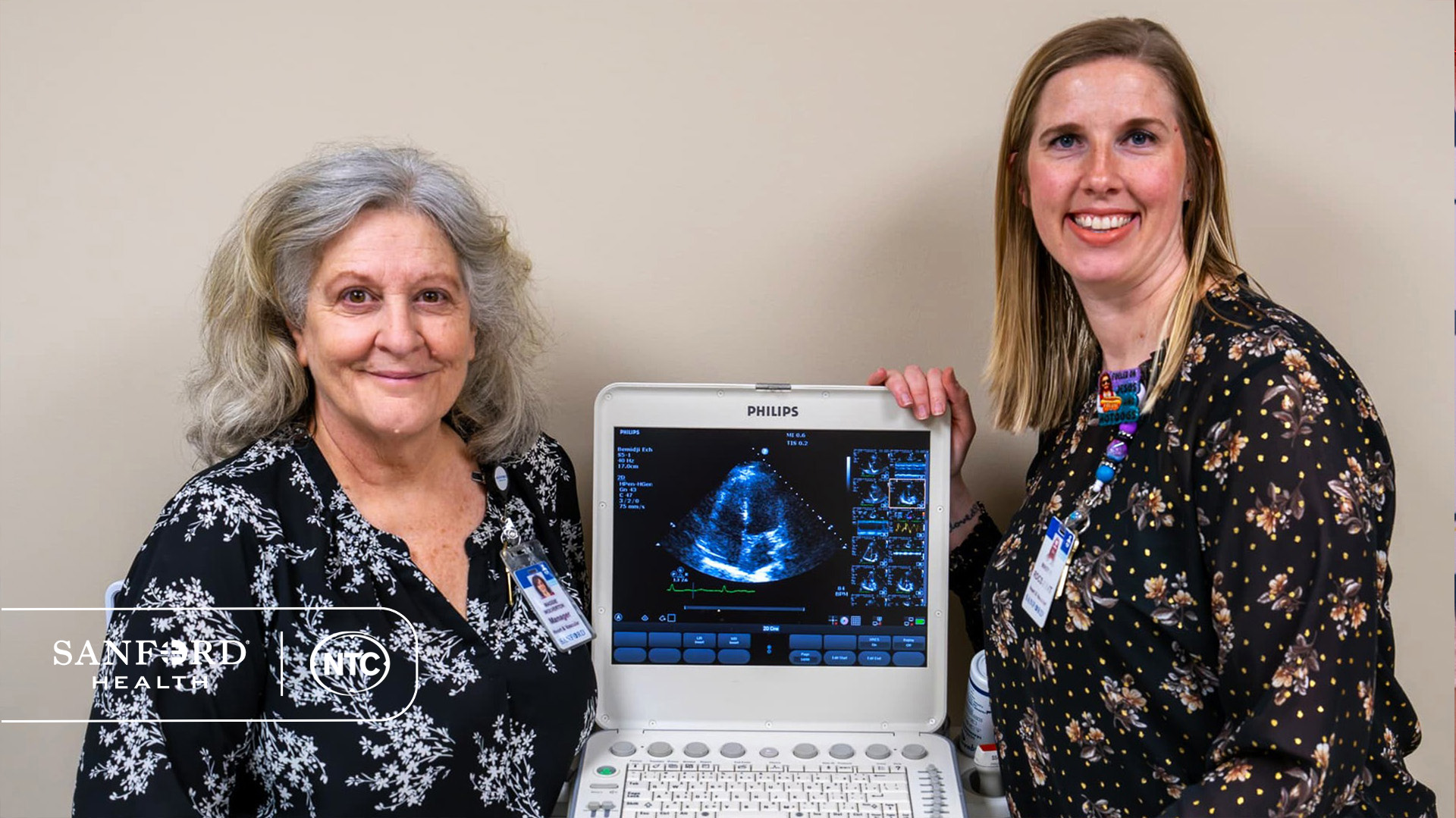
Pictured above: NTC Cardiac Sonography faculty Maggie Wolverton (left) and Mindy Williams with a Philips sonography machine.
NTC—Bemidji’s Technical College and Sanford Health of Bemidji are collaborating to improve heart care and create pathways to rewarding careers in rural Minnesota through an innovative co-staffed cardiac sonography degree program, which will debut in Fall 2026.
What is Cardiac Sonography
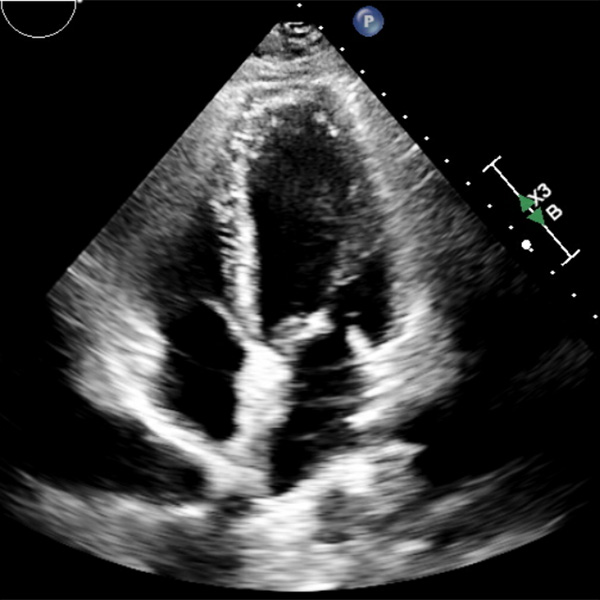 According to the American Society of Echocardiography, cardiac sonographers — also called echocardiographers — are specialists who create detailed images of a patient’s heart using non-invasive, radiation-free ultrasound equipment. The images provide detailed information about the heart’s structure, function and blood flow, which can help physicians diagnose and monitor heart conditions.
Echocardiography can diagnose conditions such as heart murmurs, valve disease and heart failure, can monitor the effectiveness of heart treatments and help assess the severity of damage following a heart attack.
Addressing a Growing Need for Technicians
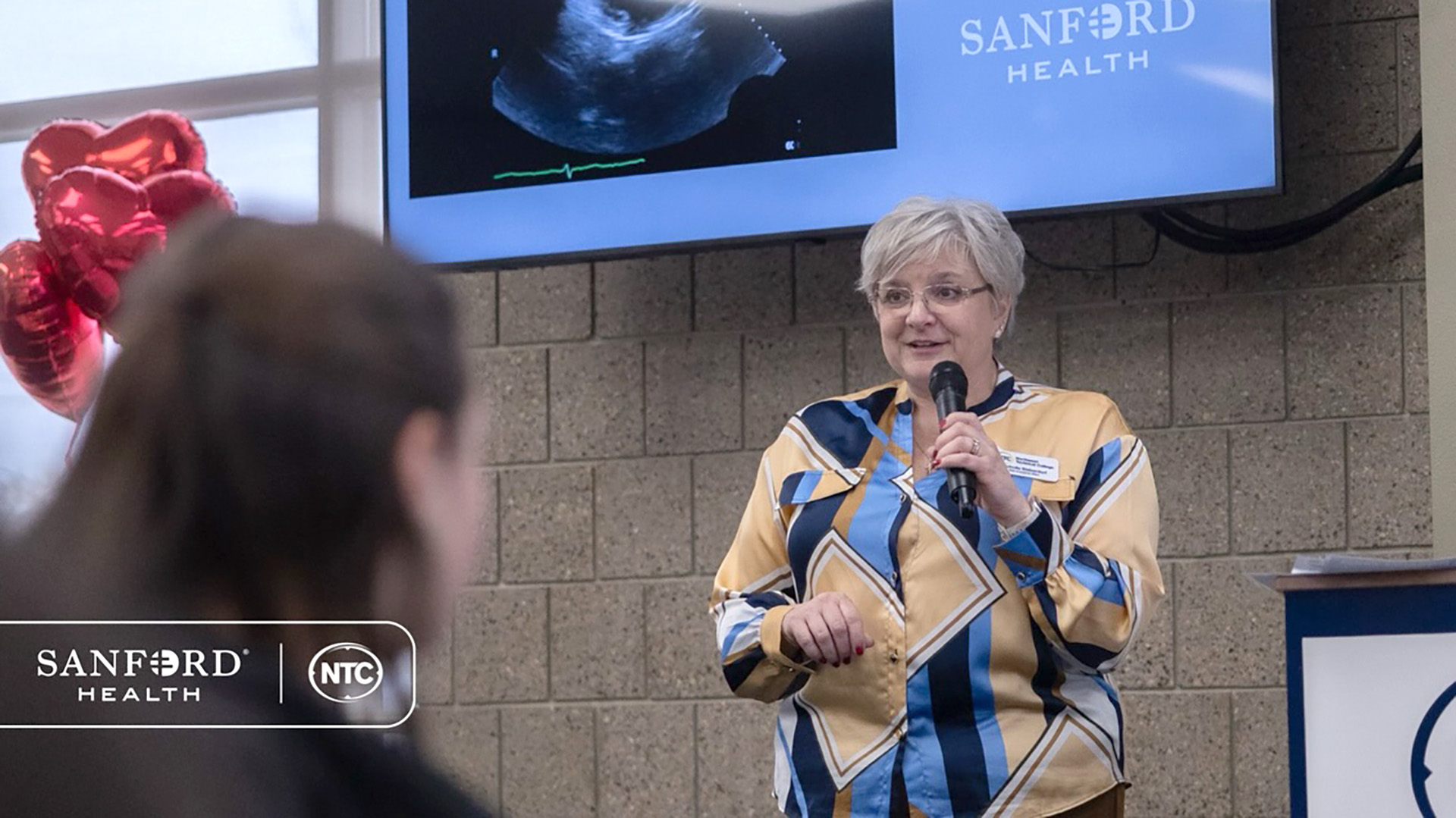
Nicholle Bieberdorf (pictured, above), NTC’s dean of allied health and as senior nurse administrator at Bemidji State University, said the partnership will help the college and Sanford Health collaboratively address a growing regional need for sonography technicians.
“When I travel and talk with our partners, they ask about programs like cardiac sonography,” she said. “This is an opportunity to train sonographers and improve access to health care across Northern Minnesota. By partnering with Sanford, we will open doors of opportunity for our students, not only locally but also within the entire regional health care system.”
Kaileigh Rybak, director of heart and vascular at Sanford of Bemidji, said the program will help Sanford hire locally trained sonographers to fill crucial positions on its care teams.
“Heart disease is becoming more prevalent as our population ages, and there’s not enough staff to provide that care,” she said. “We have struggled to fill these jobs, and we’re not alone. Providing care close to home is Sanford’s mission, and being able to start a program in a rural location helps us serve that purpose.”
A Pathway to a Rewarding Career
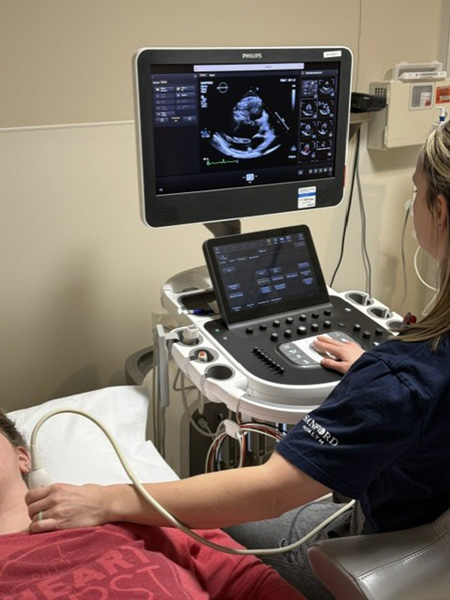 Cardiac sonographers are in demand in Minnesota. Maggie Wolverton, manager of non-invasive heart and vascular at Sanford of Bemidji and one of the NTC program’s instructors, says job openings in cardiac sonography can sometimes go unfilled for extended period of time.
“I have had positions open for most of my 14 years here,” she said.
While starting salaries will vary depending on where a graduate finds employment, the long-term prospects for medical imaging professionals are substantial. Minnesota’s Department of Employment and Economic Development (DEED) reports median salaries for diagnostic medical sonographers are more than $102,000 per year, and wages can reach $54 per hour or more. In addition, DEED projects that more than 1,000 new sonography jobs will be created over the next decade.
Courses Will Be Taught by Sanford Health Sonographers

Pictured above (L to R): Maggie Wolverton, Kaileigh Rybak, Mindy Williams
NTC’s students will be trained by Sanford Health sonography professionals, a co-employee relationship that Bieberdorf says sets the college’s program apart from others.
“These joint relationships are more common in metropolitan areas, but this is a first at NTC,” she said. “It’s one of the things that makes this program so cool — NTC and Sanford have grown it collaboratively, even to what staffing will look like. This gives our students access to professionals who understand their trade, and we can provide the support to help them grow as instructors. It’s a unique partnership and collaboration.”
Joining Wolverton as a program instructor will be Mindy Williams, a cardiac sonographer at Sanford Health of Bemidji. Combined, the pair have nearly 45 years of experience in various medical imaging specialties.
Wolverton says the opportunities for students to get hands-on lab experience with the same sonography machines they’re likely to see during their clinical experiences will help ensure the quality of their training.
“You learn to tweak your machine and use all of its capabilities, so you’re not just taking a picture and walking away,” she said. “Every patient is a new story.”
Graduates from NTC’s program, which is expected to train 10 cardiac sonographers each year, will earn a 60-credit associate of applied science degree, completed in two full years of coursework plus a summer clinical placement. The lab-intensive program will be in-person on the NTC campus, with no online courses.
Building For the Future
Rybak said the success of Sanford’s nursing partnerships with NTC created a strong foundation for building the cardiac sonography partnership, and success there could lead to future opportunities for both NTC and Sanford.
“It sparks ideas and gets people to think creatively — if we have barriers, how can we solve them locally?” she said. “From Sanford’s perspective, our nursing internship partnership with NTC has been successful, and we’re starting this other service successfully. What other doors could we open in order to accommodate the needs of our community?”