
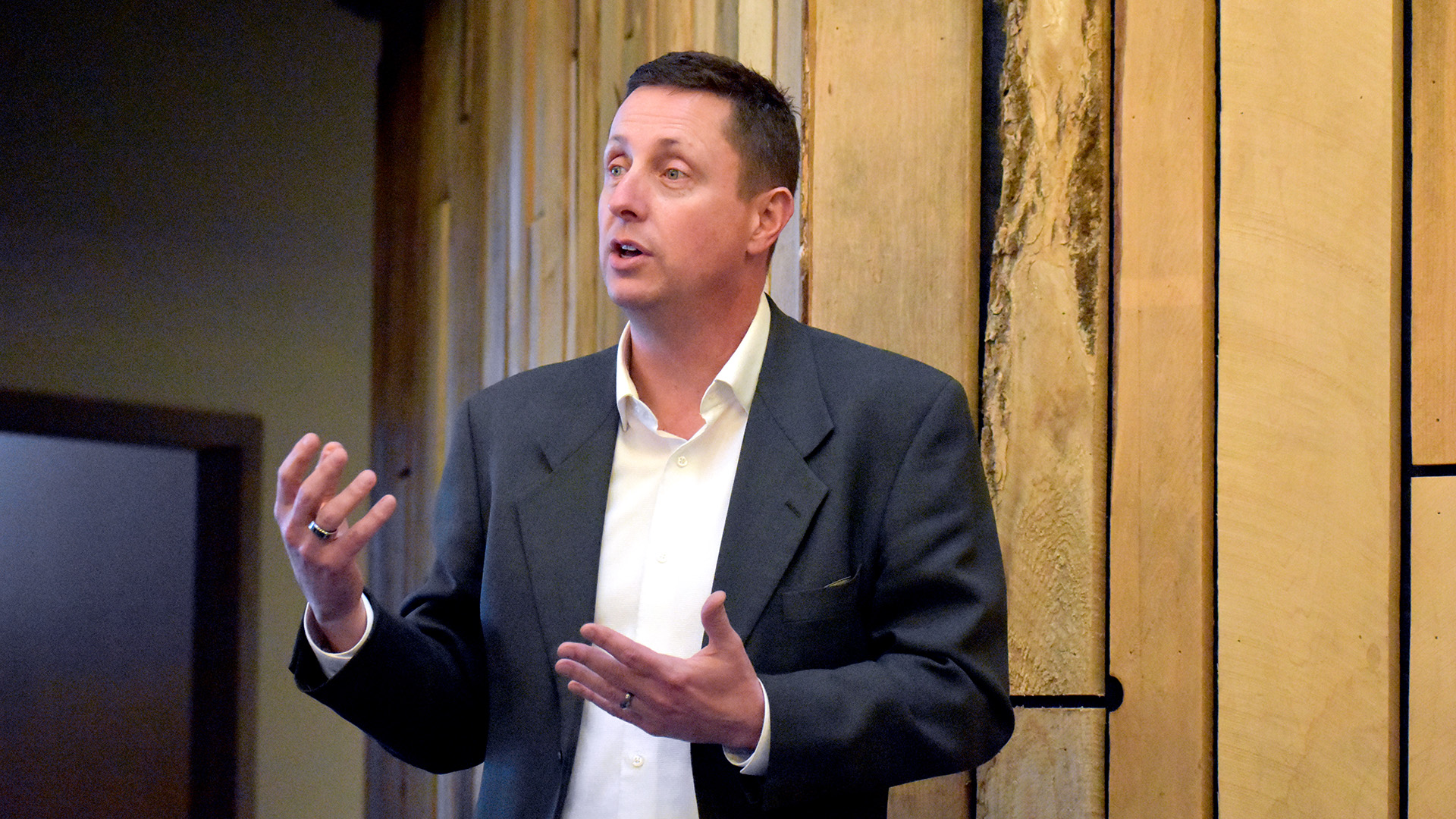
John L. Hoffman, president of Northwest Technical College and Bemidji State University, has joined a coalition of higher education leaders and professional associations from across the United States to launch the National Student Success Project.
Hoffman is one of 19 college presidents and chancellors representing two- and four-year colleges and universities serving on the project’s inaugural advisory board, which guided the initiative’s development.
The project aims to address practical concerns from students and their families about the value of a college degree by establishing five core commitments, representing an action agenda for higher education in the United States:
- Deliver a strong value for the investments students make in education
- Empower students with clear and affordable pathways to a degree or other significant credential
- Advance academic excellence with innovative programs and strong teaching
- Ignite career ambitions through real-world experiences and robust guidance
- Cultivate a community that supports all students and promotes civil dialogue and respect for others.
More than 50 colleges and universities are participating in the project and have committed to demonstrating how the five core commitments are being put into practice on their campuses.
Hoffman said his involvement brings a dual perspective from both a four-year university and two-year technical college to an important national conversation, and that the project’s goals reflect work already underway at both BSU and NTC as part of their combined strategic plan.
“Students and families deserve a clear answer to a fundamental question: ‘How will this education help me build a better future?'” Hoffman said. “At BSU and NTC, social mobility is our North Star. That means providing affordable and predictable costs for education, creating clear pathways to a credential, and facilitating experiences that prepare students for meaningful careers and lives of purpose. Through the National Student Success Project, we can share what is working here in Northern Minnesota, learn from colleagues across the country, and hold ourselves accountable for turning those commitments into results for students.”
The project’s commitments reflect work already underway at both BSU and NTC through their shared strategic plan, “2026 Forward.”
“Our priorities — advancing applied and experiential learning, centering our people and promoting our value — put these commitments into practice,” Hoffman said. “Our contribution drew heavily from the way we prioritize partnership and collaboration to enhance transfer opportunities and build connections between workforce realities and classroom experiences. I’m inspired to see BSU and NTC listed among impressive leading institutions in the U.S.”
About the National Student Success Project
The National Student Success Project is guided by the American Association of Community Colleges, the American Association of State Colleges and Universities, the American Council on Education, the Association of American Universities and the Association of Public and Land-grant Universities. The project is also supported by the Strada Education Foundation.
Leaders of the five guiding national associations released a statement in conjunction with the launch of the project that said, in part:
“Across America, colleges and universities of all kinds are finding unique ways to achieve a common goal: ensuring their students receive an outstanding education and are prepared to succeed throughout their lives. It’s important for all Americans, including students, parents, policymakers, and the general public, to understand the depth of our commitment to student success and to communicate the lifelong value of gaining a postsecondary education.”
Read More
“Inside Higher Ed” covered the October 22, 2026, public launch of the National Student Success Project, held in Washington, D.C., in its story, “Higher Ed Leaders Go On Offense With Student Success Project.”